Explore the Story
Recognized — But Long Before That, Lived
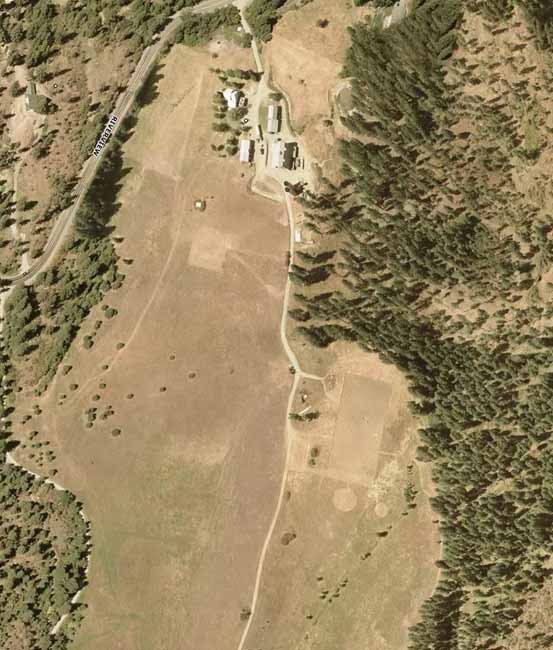 By 2010, the history was already there. What wasn’t there was any formal recognition of it.
After more than a century of continuous agricultural use, the significance of the property had simply gone undocumented. It existed as something lived rather than recorded, carried forward through use instead of preserved through narrative.
The effort to formally recognize it required assembling what had never been gathered in one place—records, structures, timelines, and physical evidence still present on the land. The result was the designation of the Mooney–Dahlberg Farmstead on the National Register of Historic Places.
 That recognition was later acknowledged on-site during a gathering that brought multiple Western state governors to the property. For a brief period, the same ground that had been worked without interruption held a very different kind of presence.
The land itself did not change. It simply carried a different kind of weight for a few hours.
The Ground Was Earned First
 The story begins before anything visible today.
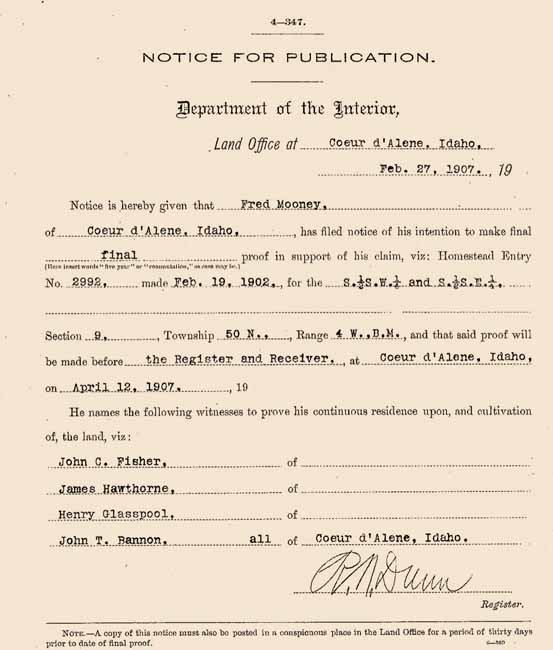
In 1902, Fred Mooney filed for the homestead, beginning a five-year process of proving the land. Timber was cleared by hand, ground was broken, orchards were planted, and structures were built under conditions that offered no guarantee of success.
By the time the deed was granted in 1907, the land had already been shaped by effort and necessity. It was no longer untouched. It had already taken something in return.
The story begins before anything visible today.
In 1902, Fred Mooney filed for the homestead, beginning a five-year process of proving the land. Timber was cleared by hand, ground was broken, orchards were planted, and structures were built under conditions that offered no guarantee of success.
By the time the deed was granted in 1907, the land had already been shaped by effort and necessity. It was no longer untouched. It had already taken something in return.
Passing Through Hands
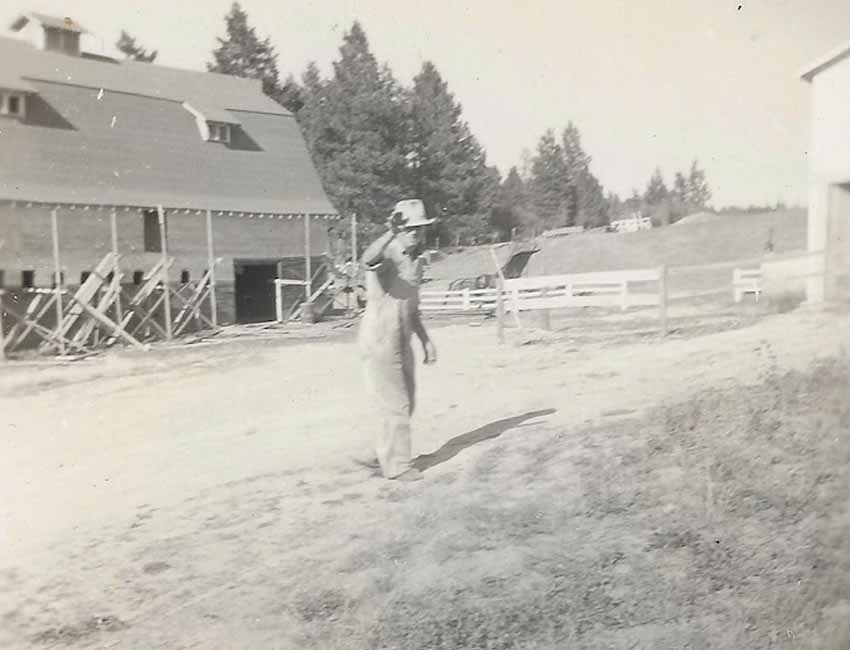 In 1923, the property transitioned from Fred Mooney to his son, Ned Mooney. In 1929, it was traded to Roy Stockton for land in Cougar Gulch.
After that, it passed through multiple owners—some staying long enough to leave a mark, others moving through more quickly. Not every period left something visible, but none of them reset the land.
Each transition added to what was already there. The land accumulated. It never started over.
In 1923, the property transitioned from Fred Mooney to his son, Ned Mooney. In 1929, it was traded to Roy Stockton for land in Cougar Gulch.
After that, it passed through multiple owners—some staying long enough to leave a mark, others moving through more quickly. Not every period left something visible, but none of them reset the land.
Each transition added to what was already there. The land accumulated. It never started over.
The First Structures That Stayed
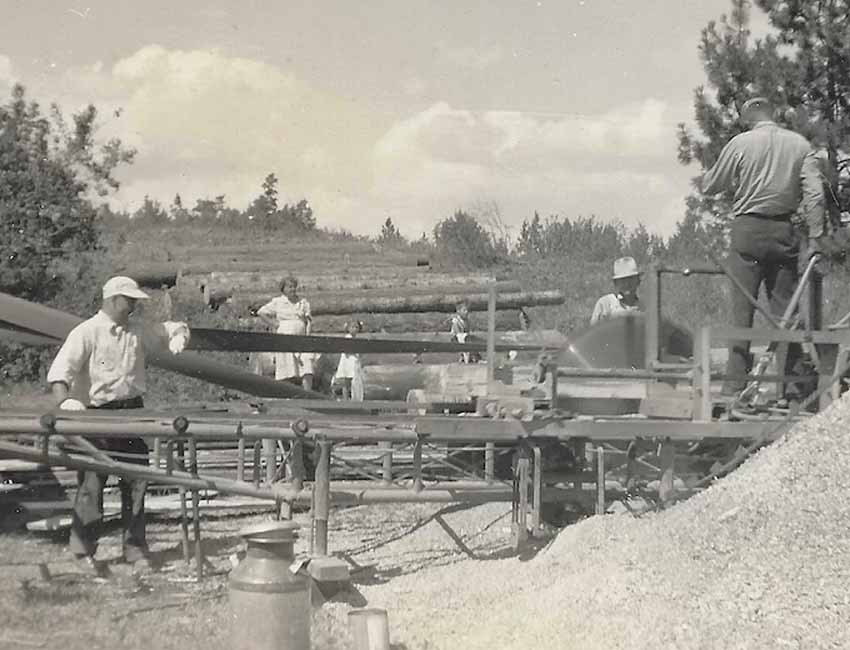
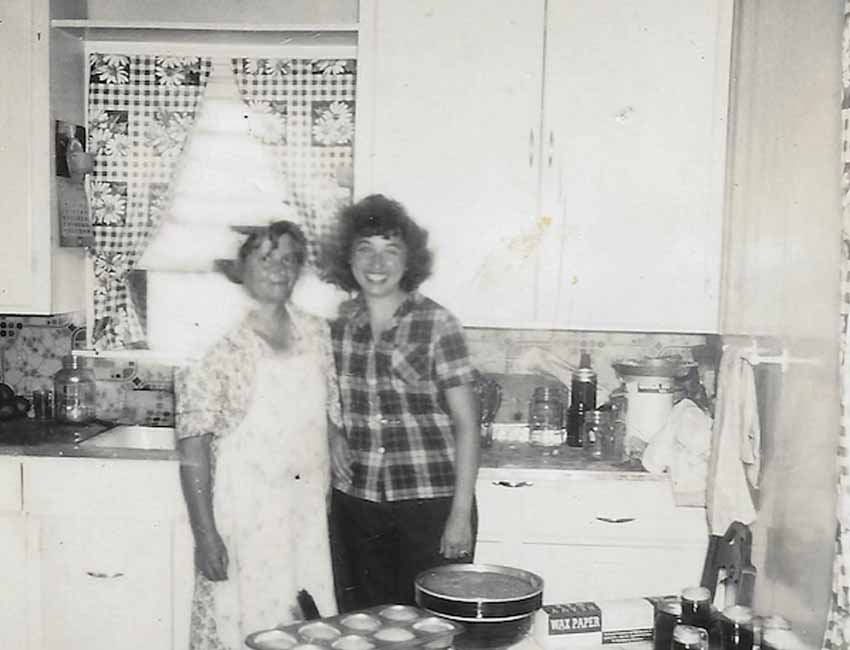
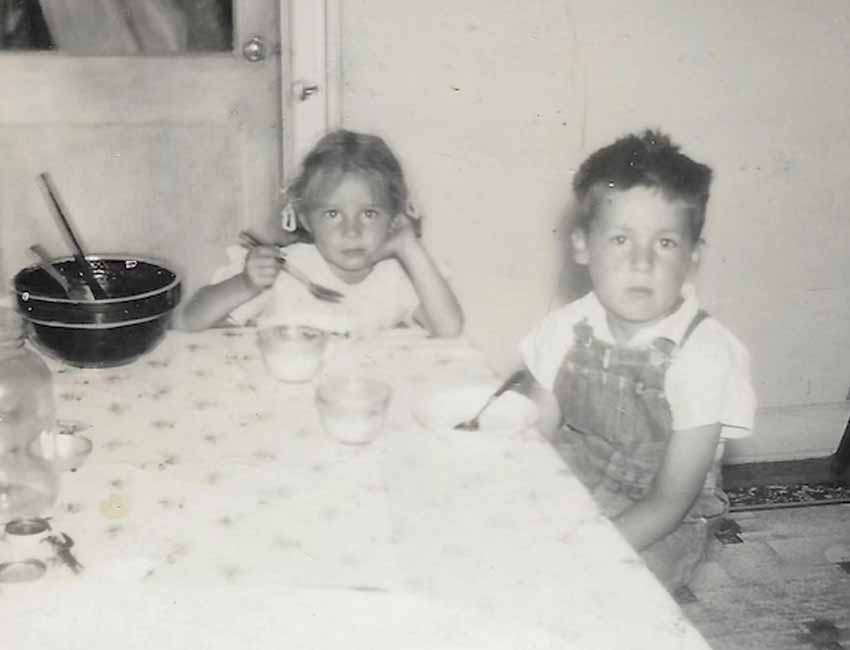
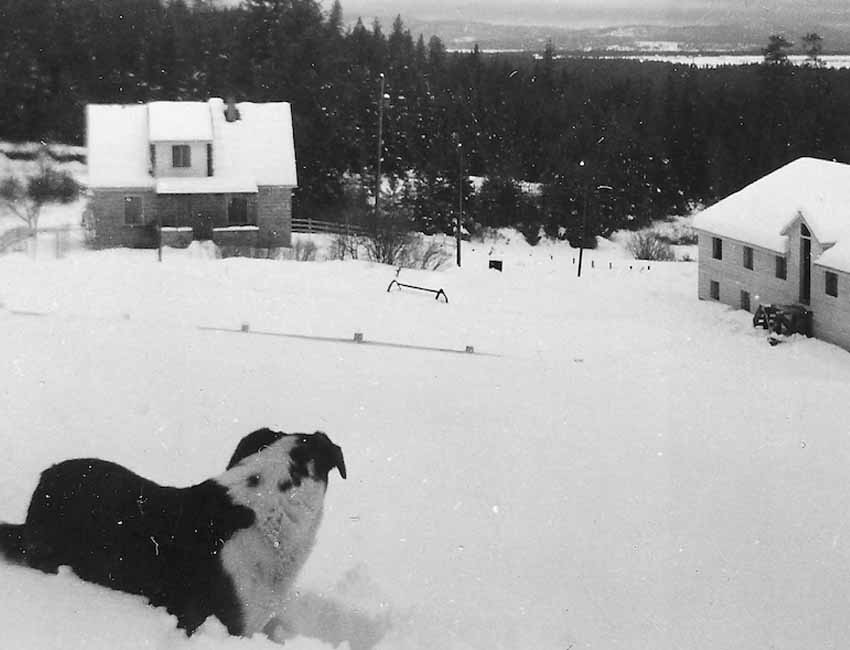
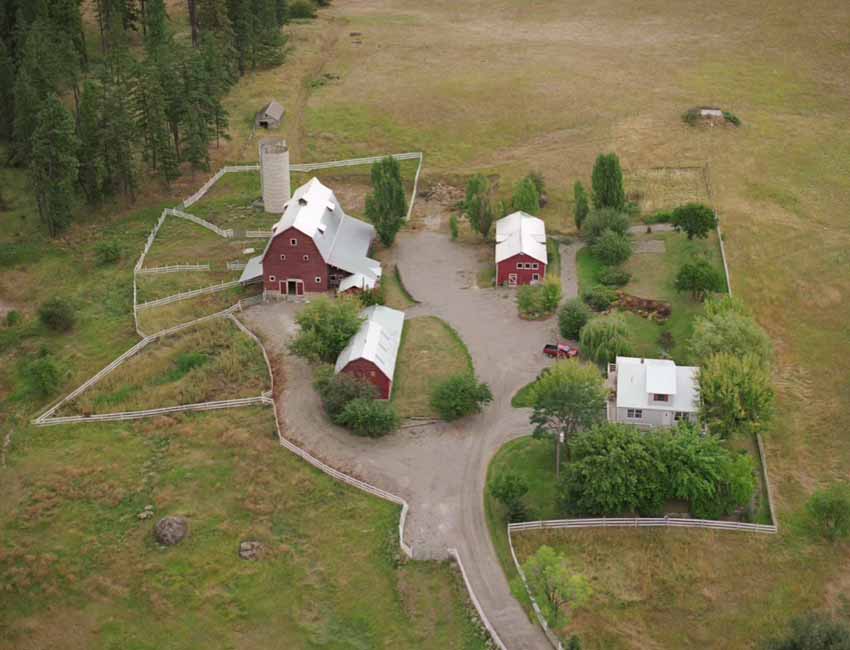
As the property moved into early agricultural use, operators including Sanner & Hauck established the first structures that would remain. They built the three-tractor barn and occupied the farmhouse that still stands today—not as statements, but as tools. Heavy timber framing, wide spans, and practical layouts defined the work. Nothing decorative. Nothing unnecessary. These were structures built to hold up under use, not to be admired. That intent remains visible in the way they still stand and function today.
The Dahlberg Years — Work, Not Nostalgia
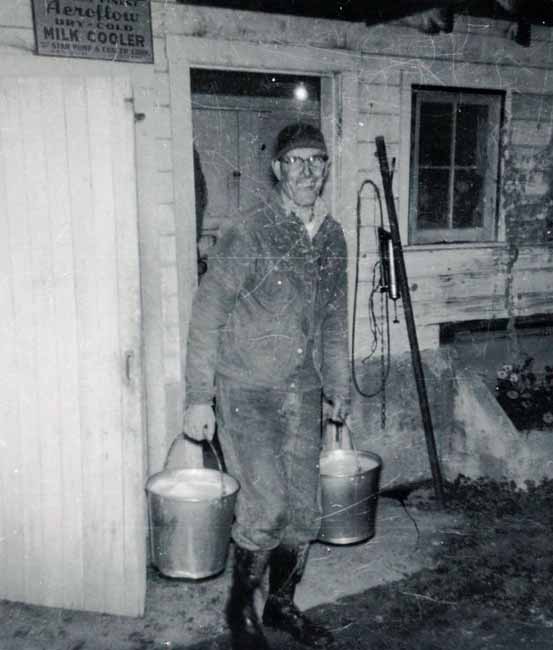 In 1957, Clarence and Alice Dahlberg purchased the farm as a relocation, not an expansion.
At the time, they were operating a full 640-acre section of land in Rockford Bay. It worked, but it created distance—from town, from school, and from the daily logistics of raising a family.
They chose to move to this farmstead to bring their work closer to their lives.
What they stepped into required immediate and constant use. The dairy operation they built grew to around sixty head at its peak, later scaling down as their children moved on. What remained constant was the work—daily, repetitive, and without pause.
By the later years, much of it rested on just the two of them. The work did not stop. It adjusted to what could be carried.
In 1957, Clarence and Alice Dahlberg purchased the farm as a relocation, not an expansion.
At the time, they were operating a full 640-acre section of land in Rockford Bay. It worked, but it created distance—from town, from school, and from the daily logistics of raising a family.
They chose to move to this farmstead to bring their work closer to their lives.
What they stepped into required immediate and constant use. The dairy operation they built grew to around sixty head at its peak, later scaling down as their children moved on. What remained constant was the work—daily, repetitive, and without pause.
By the later years, much of it rested on just the two of them. The work did not stop. It adjusted to what could be carried.
A Farm Under Strain
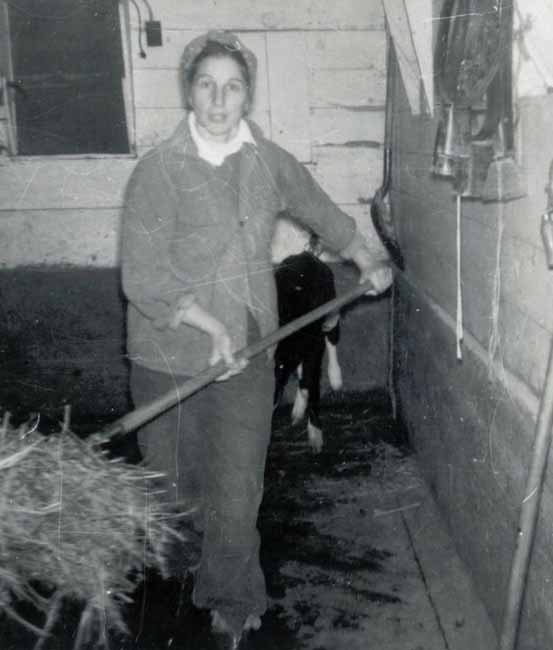 By the later years of their ownership, the operation was under constant pressure.
They were maintaining two properties, running a dairy, producing hay, and doing it with less help over time. The work did not come in phases. It stacked.
Morning milking. Evening milking. Equipment maintenance. Seasonal work layered over daily repetition.
And the machines—especially during hay season—failed when they could not afford to. The twine baler, complex and temperamental, broke at the worst possible moments. Fix it. Run it. Break again.
That was not an exception. That was the cycle. Over time, that cycle wears on you.
How it Was Found and almost Wasn’t
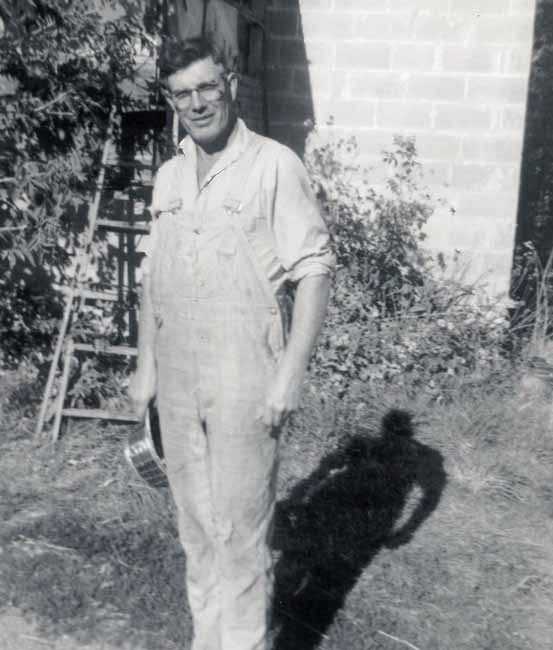 In late June of 1977, at sixteen years old, Chris Varela walked through nearby woods with a Marlin .30-30 lever action, “hunting” in the loose way that meant at that age. No season open. No real expectation—just being out there.
and stepped into what appeared to be a clearing. Instead, it opened into a hay field—eighty acres or more—with the tops of a barn and silos visible in the distance.
In the field, Clarence Dahlberg was bent over a broken baler, working through the frustration of equipment that had failed at the worst possible time.
Clarence saw the interruption. Saw the rifle. Said nothing. A simple comment came out: “My dad would give his right arm for a place like this.” Without pausing, he replied: “Well… you go tell him I’m done with this place.” He meant it. It was not casual. It carried the weight of years.
That moment did not resolve anything. It set something in motion…something Chris reflects on more every year.
In late June of 1977, at sixteen years old, Chris Varela walked through nearby woods with a Marlin .30-30 lever action, “hunting” in the loose way that meant at that age. No season open. No real expectation—just being out there.
and stepped into what appeared to be a clearing. Instead, it opened into a hay field—eighty acres or more—with the tops of a barn and silos visible in the distance.
In the field, Clarence Dahlberg was bent over a broken baler, working through the frustration of equipment that had failed at the worst possible time.
Clarence saw the interruption. Saw the rifle. Said nothing. A simple comment came out: “My dad would give his right arm for a place like this.” Without pausing, he replied: “Well… you go tell him I’m done with this place.” He meant it. It was not casual. It carried the weight of years.
That moment did not resolve anything. It set something in motion…something Chris reflects on more every year.
What That Moment Set in Motion
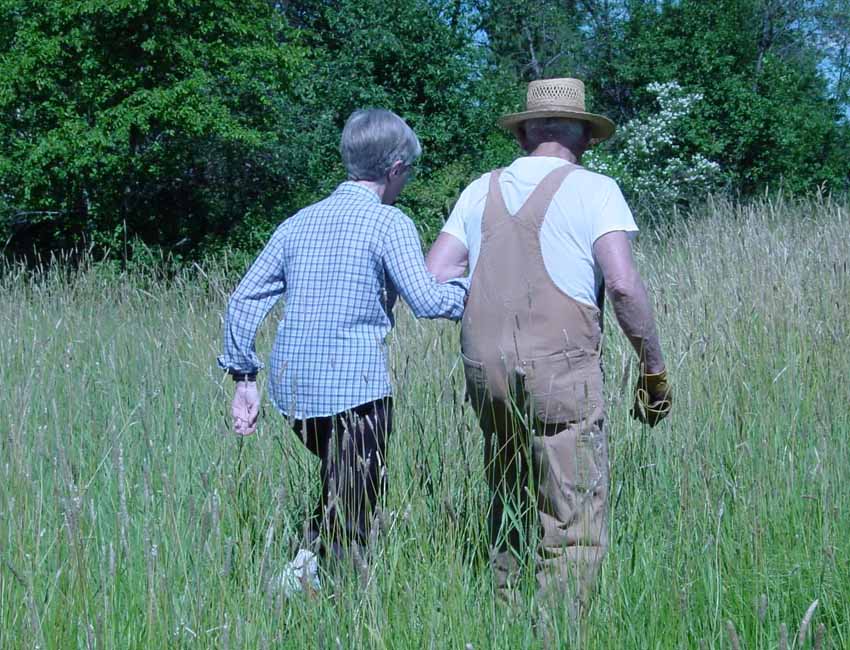 That moment did not end there. Chris hiked briskly home…with one thing in mind…Clarence’s words.
Then, the Chris’ push began—persistent, repeated, not fully understood at the time, but constant. Go talk to them. Again. And again. His parent were not in the mood. A newly completed big home, low on cash and dead tired from two years of building their new home in North Idaho.
That moment did not end there. Chris hiked briskly home…with one thing in mind…Clarence’s words.
Then, the Chris’ push began—persistent, repeated, not fully understood at the time, but constant. Go talk to them. Again. And again. His parent were not in the mood. A newly completed big home, low on cash and dead tired from two years of building their new home in North Idaho.
Until it became something that could not be ignored…
..then the inevitable drive down the county road to speak with these farmers Chris had stumbled upon…the rest, well, there it is. Chris’ parent sold their shiny new home and moved into an old broken down farmhouse on a piece of ground (160 acres) that needed more work than any ten large homes would take to build.
Over the decades Chris parents eventually retired to the back of the property where they lived till then end in the place they loved the most, doing what they loved to do, watch nature unfold around them.
Naming It — The Start of Something Different
For decades, the property had no consistent name. It was simply the farm. In 2007, Chris, after purchasing the front portion of the property that was sold 25 years earlier, named it became Settlers Creek—not to redefine it, but to give it identity as it began transitioning into something than just a retired farm.
The name did not change the place. It gave it something people could find.
What This Actually Is
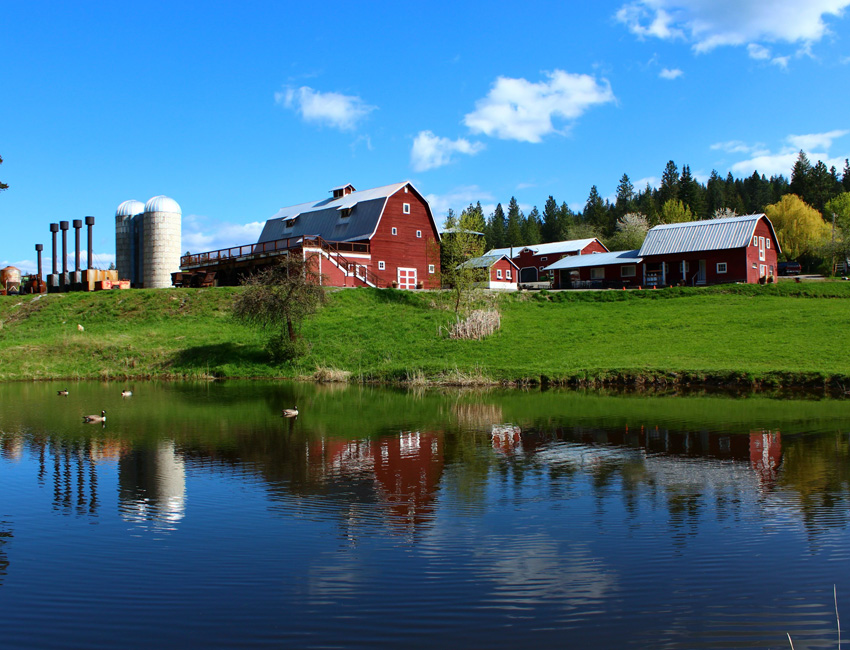 The barn. The silo. The house. They remain because they were never allowed to stop being useful. They have been repaired and reinforced, but they are still doing what they were built to do. More used for what they are than preserved.
This land has been cleared, worked, rebuilt, and passed on. There are seemingly endless versions of the original. What exists is layered effort—layer of lives lived making a better place for themselves and without maybe knowing it, for those like Chris and his family that followed… a kind of continuation rather than perfection.
Where This Leads
To understand how the more recent story was written…. continue to Where It Started and About Discovery Fire, where the story shifts from what the land was to what it became.